
Is Vilnius worth visiting for a city break?
Yes, Vilnius is worth visiting for a city break, especially if you enjoy walkable cities, beautiful old streets, quiet courtyards, green spaces and a calmer pace.
I would not describe Vilnius as a city you visit for one world-famous landmark. It is not Paris with the Eiffel Tower or Rome with the Colosseum. Vilnius works differently. Its value is in walking through the centre, turning into smaller streets, noticing courtyards and slowly understanding the city.
That is also why expectations matter. If you want a large capital with huge museums, famous landmarks on every corner and a very busy big-city feeling, Vilnius may feel small. But if you want a city that is easy to explore without stress, with a clean centre, green spaces and plenty of small details, it is worth it.
I may be biased because I run a Vilnius travel blog, but I also think that makes me more careful with this answer. I do not want to tell you that every traveller will love Vilnius. I would rather help you decide if it fits the type of trip you actually enjoy.
Why Vilnius is worth visiting
The strongest reason to visit Vilnius is how pleasant it is once you are here. The centre is easy to walk, the Old Town has plenty of small details, green spaces are close by and the city usually feels clean and calm.
These may not be the most obvious reasons before you arrive, but they matter when you are actually spending time in a city. They make Vilnius easy to enjoy without planning every hour too tightly.
The Old Town is easy to enjoy slowly
The best part of Vilnius is not one single stop, but the way the central part of the city connects together when you walk.
If I wanted someone to get a first sense of Vilnius, I would probably take them on a simple loop through Gedimino Avenue, Cathedral Square, Pilies Street, the Vilnius University courtyards, Stiklių Street and Vilniaus Street.
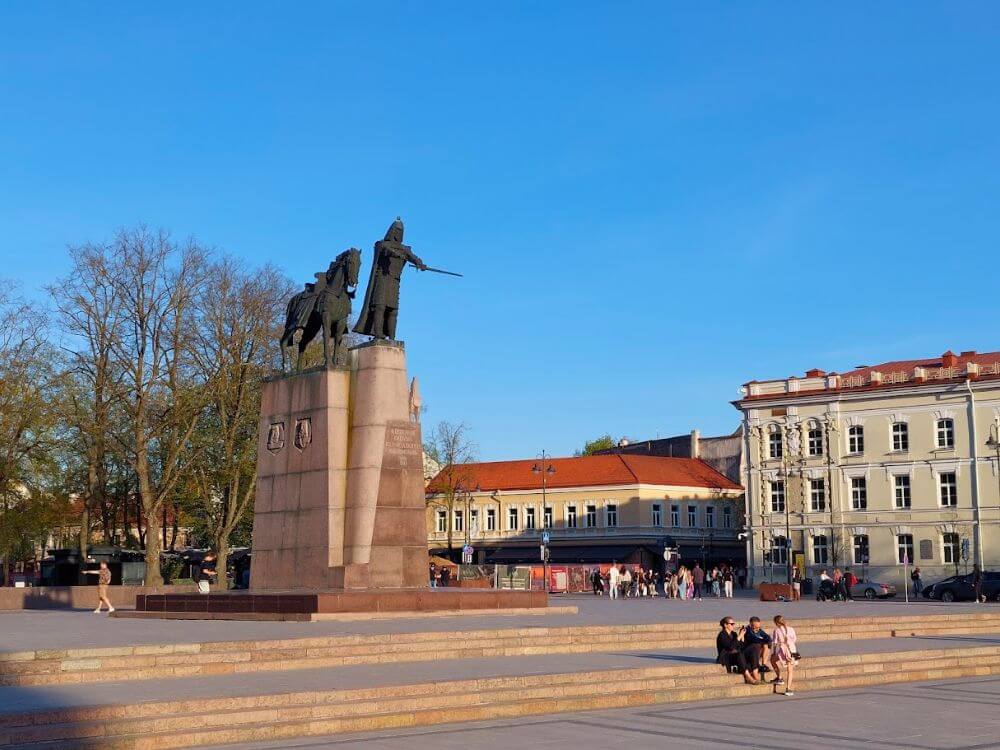
That route passes many of the places people usually want to see first. You get Cathedral Square with the Cathedral, the Bell Tower, the Palace of the Grand Dukes and Gediminas Castle Tower in the distance. Then Pilies Street takes you deeper into the Old Town, where the city starts to feel smaller and more detailed.
The best moments are often on the side streets. Vilnius has pretty corners, small courtyards and quiet turns where you can step away from the main flow. That is the part I enjoy most, and you do not need to rush from one “must-see” to another to feel that you are seeing the city.
Vilnius University is a good example of why the city rewards slower walking. The old university complex sits right in the Old Town, and its courtyards make the centre feel layered rather than obvious at first glance.
Užupis is worth seeing too. I do not personally place it at the centre of my usual favourite walk, because it sits a little to the side. Many visitors enjoy it though, and I understand why. It has a different mood from the main Old Town streets, so it can be a good add-on when you want to see another side of Vilnius.
Read more: 2 days in Vilnius: what to see on your first visit
Green spaces are part of the city
Another thing I like about Vilnius is that greenery is easy to include in a normal walk around the centre. You do not have to leave the city or plan a separate nature trip to find a park, a river path or a quieter place to sit for a while.
Bernardine Garden is the easiest example because it sits right by the Old Town, close to the Vilnelė River, St. Anne’s Church and the route many visitors already take. Kalnų Park also feels close to the centre, but gives you more space and a different view of the city.
The rivers help too. Parts of the Vilnelė and the Neris give the city a softer rhythm when you want a break from streets and squares. Near the White Bridge, the riverside grass has become a popular place for people to sit with blankets, meet friends, enjoy the weather and join bigger public events.
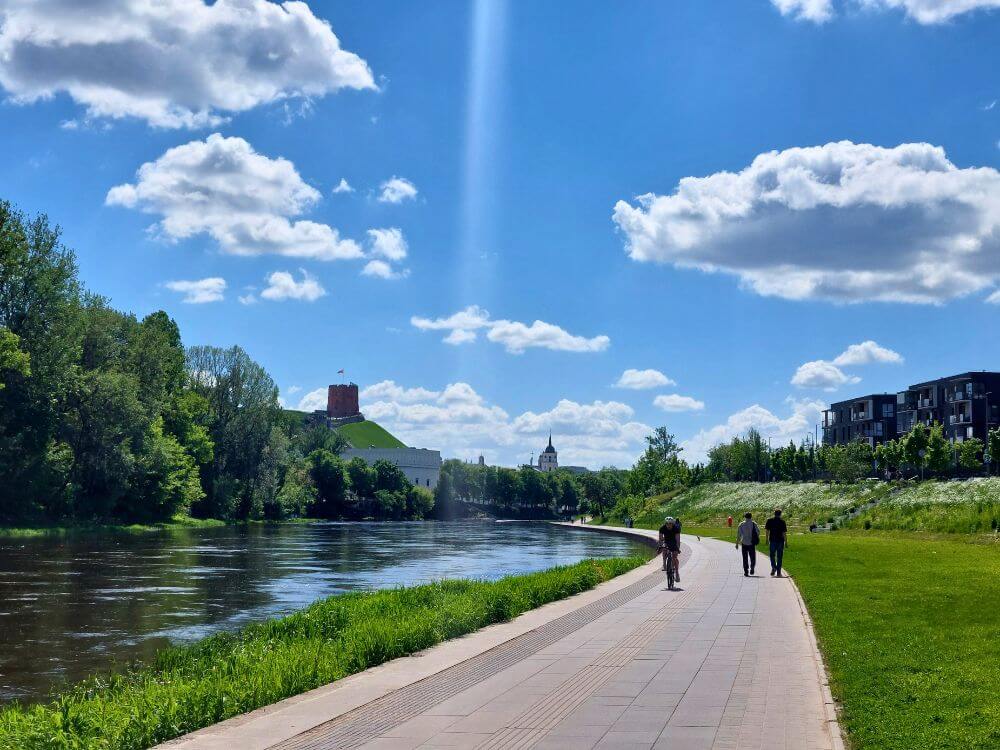
Kūdrų Park is another nice green spot if you are around Užupis. I would not plan a whole first visit around it, but it adds to the sense that small green places are woven into the city.
Vilnius feels clean and calm
Vilnius is also noticeably clean. This can sound like a small detail before you arrive, but it affects the whole visit when you are walking around all day.
Clean streets, tidy parks and a manageable centre make it easier to enjoy the city without feeling worn out by it. Visitors often mention this too. It may not be the first thing people search for before visiting, but it becomes part of their impression once they are here.
The city also has a calmer pace than many larger European capitals. That does not mean nothing happens. It simply means the centre is easier to handle, especially if you do not like feeling rushed all the time.
Read more: 2 days in Vilnius: what to see on your first visit
Where Vilnius may disappoint you
Vilnius is worth visiting, but it helps to know what kind of city it is before you arrive. Some travellers will love the calm, walkable centre. Others may expect something bigger, louder or more famous at first sight.
The city has plenty to see, but it does not work in the same way as capitals known for one huge landmark. It also takes a little planning if you want to go beyond the central area, because some attractions are spread across different parts of the city.
It is not a city of huge famous landmarks
If your main goal is to see places you have known from postcards your whole life, Vilnius may not feel as strong as cities like Paris or Rome.
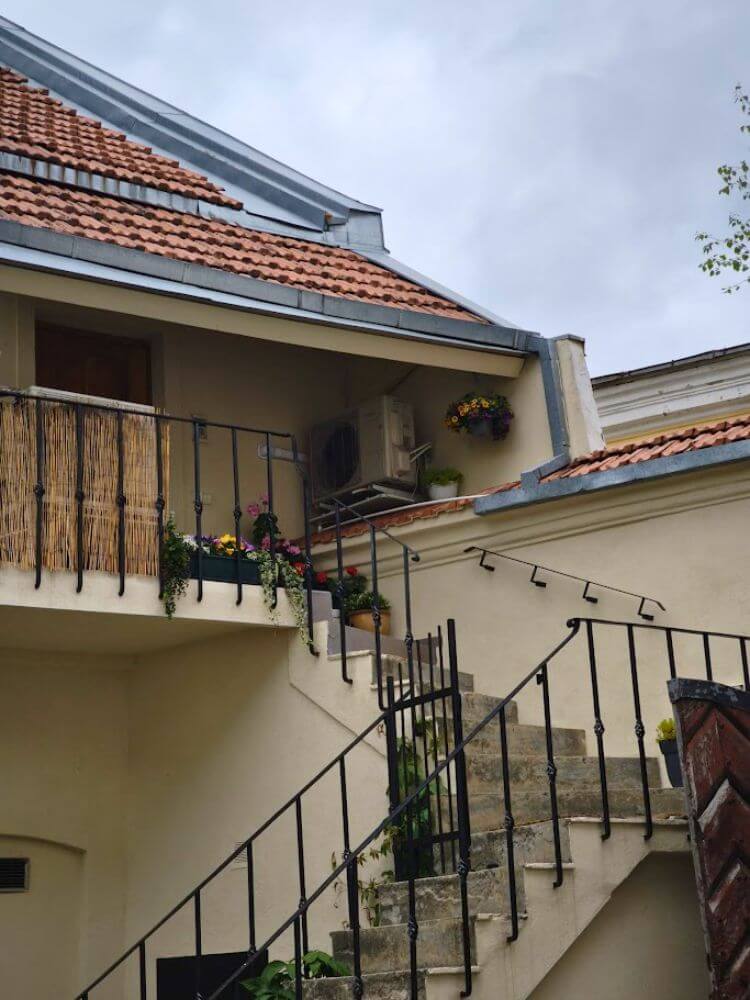
That does not make Vilnius less worth visiting. It just means the appeal is different.
Vilnius works best when you enjoy atmosphere, history, walking and small discoveries. You need to look around a little, turn into side streets and give the city time instead of expecting one famous object to define the whole trip.
The best use of short time is mostly in the centre
Most of the main places visitors want to see are in or near the centre. That is convenient, but it also shapes the trip.
The Old Town, Cathedral Square, Pilies Street, Vilnius University, Užupis and the surrounding streets are the easiest places to include in a shorter visit. This is where Vilnius feels most compact and rewarding.
The positive side is simple: you can see a lot without spending the day in transport.
The trade-off is that you may stay mostly in the same central area if you have limited time. That is not necessarily bad, because there is enough to enjoy there. But if you like spreading out across a city and visiting different districts, you may need to be more selective with your time.
Further-away attractions take extra time
Some Vilnius attractions are farther from the centre and sit in different parts of the city. For example, the TV Tower, the Brick Museum, the Auto Museum, Zoopark and the Botanical Garden can all be interesting for the right person. Europos Parkas is another option, but it takes more planning because it is farther out.

The question is whether they are worth the travel time on your specific trip.
In many cases, getting to one of these places may take around half an hour one way, sometimes more depending on where you start and how you travel. That is not terrible, but it still creates a block of time used mostly for transport.
If you have only a short time in Vilnius, I would be selective. Pick a farther-away attraction only if it really matches your interests. Otherwise, you may get more from staying central and exploring the Old Town, Užupis, parks and riverside areas at a slower pace.
Read more: Public transport in Vilnius
Is Vilnius good for tourists?
Yes, Vilnius is good for tourists, especially if you like cities that are easy to explore on foot.
The centre is compact enough that you can connect many places without needing a complicated transport plan. That makes the first visit less stressful. You can start with the main streets and squares, then add side streets, courtyards, parks and Užupis depending on your energy.
Vilnius is also good for travellers who prefer a calmer pace. It is not a city where every sight needs a strict slot in your schedule. Some of the best parts happen between the obvious stops.
This is why I think Vilnius suits people who like wandering, looking into courtyards, noticing architecture and taking breaks in green spaces. It also suits travellers who do not need every destination to feel huge.
Vilnius may be less ideal if you want a very busy capital with a long list of world-famous sights. It can also feel smaller if you compare it directly with the largest European cities.
The best approach is to treat Vilnius as its own kind of city break. Let it be walkable, calm, green and detailed instead of forcing it to be something else.
When Vilnius is more comfortable to visit
Weather matters more than people sometimes expect, especially because a lot of the best Vilnius experiences involve walking.
Sightseeing is much better for me when it is not very cold and not very hot. If you feel the same, the timing of your trip can change how much you enjoy the city.
Vilnius can still work in colder weather if you are prepared. Layers help. So do comfortable shoes, a flexible plan and indoor breaks. But if you dislike cold days, grey weather or needing to dress carefully, you may want to be more selective about when you come.
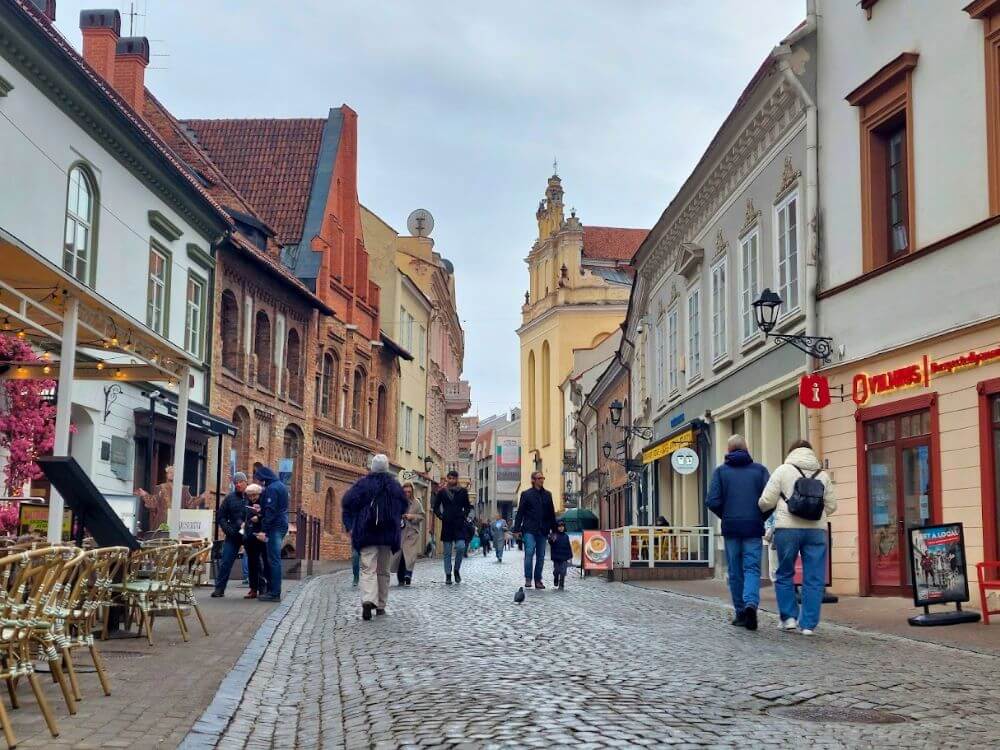
Very hot weather can also make sightseeing less pleasant. A walk through the Old Town is much nicer when you are not planning every move around shade and water.
So I would not say Vilnius is only worth visiting in one season. It depends on your comfort. If you do not mind layers, changing weather or occasional heat, you will have more options. If weather affects your mood as much as it affects mine, choose your timing more carefully.
Read more: Vilnius through the seasons: when to go and why
My honest verdict
So, is Vilnius worth visiting for a city break?
Yes, it is worth visiting if you enjoy walkable cities, beautiful old streets, hidden courtyards, green spaces, riverside walks and a calmer pace. Vilnius is especially good when you are happy to explore slowly and notice details rather than rush between major landmarks.
I would not choose Vilnius only because you want one world-famous sight. I also would not rush through it and expect to understand the city properly. The centre is easy to enjoy, but the city works better when you give yourself enough space to walk, pause and decide what is actually worth adding.
To me, Vilnius is worth visiting because it is pleasant to be in. The Old Town has charm without needing to shout about it. The green spaces make the centre easier to enjoy. The city is clean, calm and manageable.
That combination is exactly what makes Vilnius a good city break for the right traveller.
If Vilnius sounds like your kind of city, read my guide on how many days you need in Vilnius next.
