
First time in Vilnius: what to know before you go
Planning your first time in Vilnius is not something you need to overcomplicate.
Vilnius is easy enough to explore without a strict hour-by-hour itinerary, especially if you stay somewhere practical and give yourself time to walk. But a bit of planning helps you avoid the annoying things, like booking a place that looks fine on the map but turns out to be inconvenient, or waiting too long and missing the better-value stays.
The biggest thing I’d say is this: don’t treat Vilnius as a place where you only rush through the Old Town, tick off the main sights and leave. You can do that, of course. But if you give the city a little more time, it becomes much easier to enjoy.
I’ve lived in Vilnius for almost 20 years, but I also travel often enough to know how much the small practical details matter on a first trip: where you stay, how easy it is to get around and whether you leave enough space to enjoy the city instead of just moving through it.
Planning your first trip to Vilnius
For a first visit, I’d start with three decisions: how many days you have, where you’ll stay and what actually needs booking in advance.

You don’t need to plan every hour. Vilnius is a good city for slow walks, coffee breaks and small detours. But a few simple decisions before you arrive can make the whole trip feel much easier.
How many days do you need in Vilnius?
If you only want to see the main places in the Old Town and walk around the historic centre, two days in Vilnius can be enough.
That works best if you’re happy to keep the trip simple. You can see the main streets, viewpoints, churches, courtyards and cosy corners without going deep into museums, guided tours or day trips.
But if you want to explore more than the Old Town, I’d plan at least three days.
Three days gives you more room for museums, different neighbourhoods, a slower pace and proper food stops, especially if you want to think more carefully about where to eat in Vilnius. If you also want to take a day trip to Trakai, join a tour or visit places outside the centre, four days will feel much better.
Read more: How many days do you need in Vilnius?
Where should you stay in Vilnius for the first time?
For a first time in Vilnius, the easiest choice is to stay in the Old Town or one of the nearby central areas.
This makes it much easier to walk to the places you’ll probably use most: cafés, restaurants, viewpoints, museums and the main Old Town streets. You also won’t need to think about transport every time you want to go back to your hotel for a break.
I also wouldn’t get too fixed on the Old Town as the only good option. Vilnius has good public transport, so a place slightly further out can still work well if the connection is easy.

It really depends on your travel style. If you want maximum convenience, stay central. If price matters more, check places a little further out and compare how long it takes to reach the centre.
Read more: Where to stay in Vilnius
What should you book in advance in Vilnius?
The main thing I’d book early is accommodation, especially if price matters.
I learned this the annoying way when I needed somewhere to stay for a week in Vilnius while looking for an apartment to rent. Location wasn’t my biggest priority. I just needed something affordable and convenient for getting to work.
But because I started looking quite late, most of the options that matched what I needed were already gone. I ended up staying at Centro Hostel because it matched what I needed then, even though I had originally hoped to find an apartment.
So yes, even in Vilnius, the better-value places can disappear quickly.
I’d also book tours or guided experiences in advance if there’s something specific you really want to do. For museums, advance booking usually isn’t essential unless you want to save time or avoid queues.
If you prefer a private airport transfer, book that before you arrive too. It’s one less thing to think about after landing.
Getting around Vilnius
Vilnius is a good city for walking, especially around the centre. But public transport, taxis and ride-hailing apps still have their place.
The best option depends on your budget, luggage, arrival time and how far your accommodation is from the nearest stop.
How do you get from Vilnius Airport to Old Town?
The most convenient option is a taxi, Bolt, Uber or a private transfer.
I’d choose that if you arrive late, travel with children, have a lot of luggage or stay somewhere that is far from a bus stop. A private transfer is also useful if you want to book everything in advance and not think about whether a car will arrive quickly.
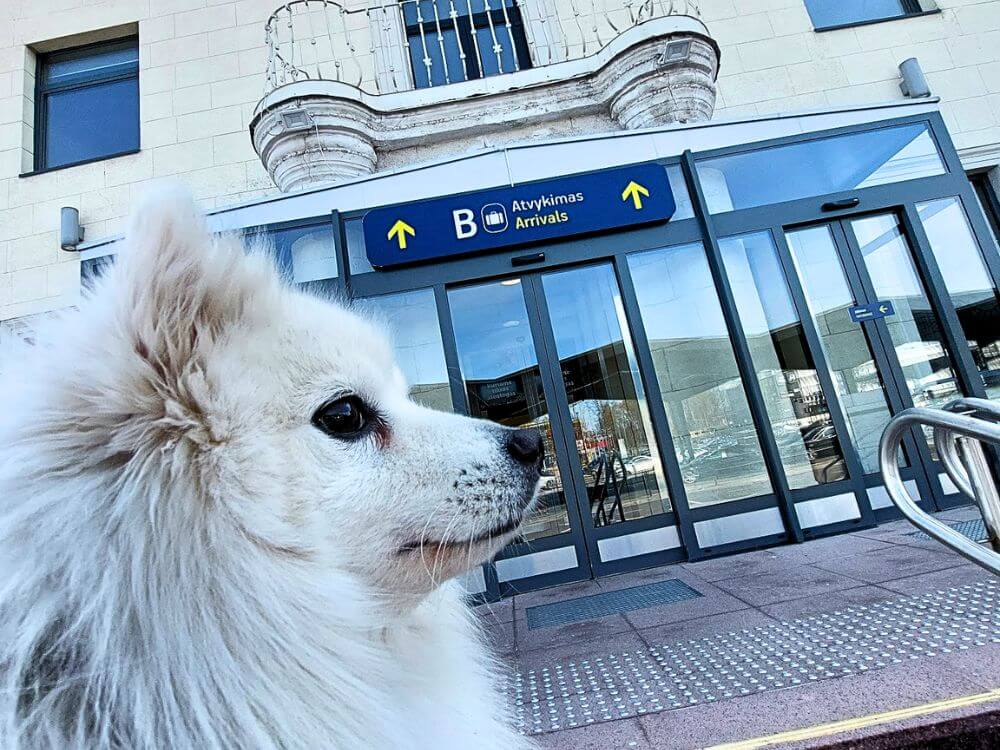
But if you’re travelling on a budget, public transport can work perfectly well.
There are several buses from Vilnius Airport to different parts of the city. I often use public transport when I travel, even if I need to walk around 20 minutes to my accommodation afterwards. For me, that’s fine if it saves money.
For other people, comfort matters more. Both approaches are completely valid.
Read more: How to get from Vilnius Airport to Old Town
Is Vilnius walkable?
Yes, Vilnius is very walkable, especially if you focus on the Old Town and central areas.
You can see a lot without using public transport at all. That’s one of the reasons I like the city for a first visit: it doesn’t feel like you need to figure out a huge transport system before doing anything.
The only thing to remember is that Vilnius is not perfectly flat and smooth. There are cobblestones, hills and streets that feel longer when the weather is bad.
Comfortable shoes make a real difference here, especially if you want to walk most of the day or carry a suitcase through the Old Town.
Do you need public transport in Vilnius?
You may not need public transport every day, but it’s useful when you want to go further from the centre.
For example, I’d use a bus or trolleybus for places like the TV Tower. You might also need transport to reach the train station if you’re staying further away and planning a trip to Trakai.
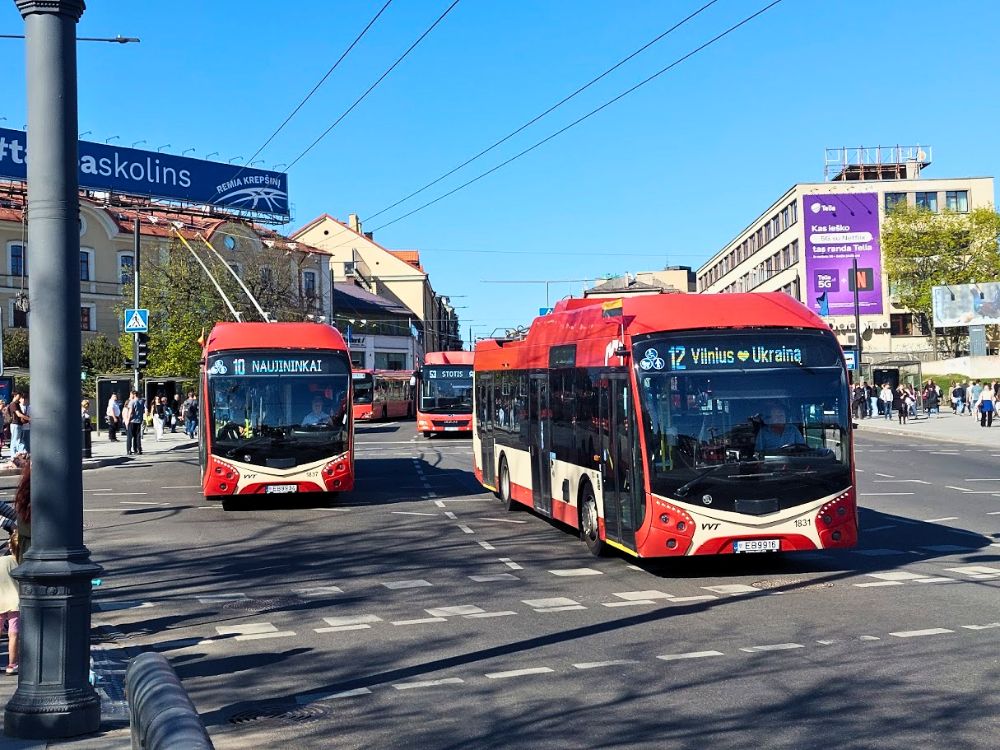
I usually check Trafi or Google Maps first and compare the walking time with public transport. If walking is only a little slower, I’ll often walk. For longer routes, bad weather or luggage, public transport, Bolt or Uber usually makes more sense.
Read more: Public transport in Vilnius
Practical things to know before you arrive
Before arriving, it helps to know a few everyday things: how people usually pay, whether English is enough and which apps can make the trip easier.
None of this needs much planning, but it saves you from figuring everything out while standing on the street with your luggage.
Can you pay by card in Vilnius?
Yes, you can pay by card in most places in Vilnius.
Personally, I don’t even remember the last time I paid for something in cash here. I usually pay with my phone or smartwatch, and I often don’t carry a wallet with cards or cash at all.
Lithuania uses the Euro, so if you’re coming from another eurozone country, there’s nothing extra to think about.
If your home currency is different and you want to have some cash, you can exchange money before your trip or after you arrive in Vilnius. There are currency exchange offices in the city, and you’ll also find ATMs where you can withdraw euros.
You might still want a little cash for markets, fairs or small events with independent sellers. Even then, many sellers now have payment terminals.
So I wouldn’t stress about cash, but I also wouldn’t arrive with absolutely no backup if you like being prepared.
Do people speak English in Vilnius?
In most tourist-facing places, English is not difficult.
You can usually manage in hotels, restaurants, cafés, museums and shops. Younger people often speak English quite well too.
Still, learning a few Lithuanian words is a nice gesture. You don’t need to deliver a speech. A few basics are enough:
Labas / Sveiki – Hello
Ačiū – Thank you
Viso gero – Goodbye
Most Lithuanians will probably switch to English quickly if they see you’re struggling. But I always think it’s lovely when a foreigner knows a few words in Lithuanian.
It feels especially nice now, when more international people live in Vilnius. Hearing someone try even a tiny bit of Lithuanian is genuinely sweet.
Useful apps and websites for your first time in Vilnius
These are the apps and websites I would consider useful for a first trip to Vilnius. You do not need all of them, but a few can make the trip easier.
Google Maps – walking routes, opening times and reviews.
Maps.me – offline maps.
Trafi – public transport routes and tickets.
LTG Link – trains, including trips such as Trakai.
Bolt / Uber / eTransport – airport rides, late arrivals or bad weather.
Radical Storage – luggage storage before check-in or after check-out.
Saily eSIM – mobile data without a local SIM.
NordVPN – useful if you often use public Wi-Fi.
Is Vilnius safe?
I’ve never felt unsafe in Vilnius.
I’ve walked home after dark, waited for buses in the evening and taken Bolt after midnight in Naujamiestis. When I worked as a sysadmin, I sometimes had to go to a data centre for evening maintenance, so late returns were not unusual.
I still use the same common sense I’d use in any city.
If it’s dark, I don’t choose empty, poorly lit streets just to save three minutes. I’d rather take a slightly longer route with streetlights. That’s not because Vilnius feels scary. It’s just the same thing I’d do in any European city.
Better safe than sorry.
Weather and timing
Vilnius weather can be unpredictable, so I wouldn’t build your whole plan around a forecast you checked a week earlier.
It might show rain and then not rain at all. Or it might say nothing dramatic and then you still get rain.
What is the best time to visit Vilnius?
In my opinion, the best time to visit Vilnius is usually from April to October.
That gives you more daylight, easier walking weather and a better chance of enjoying outdoor cafés, parks, viewpoints and day trips.
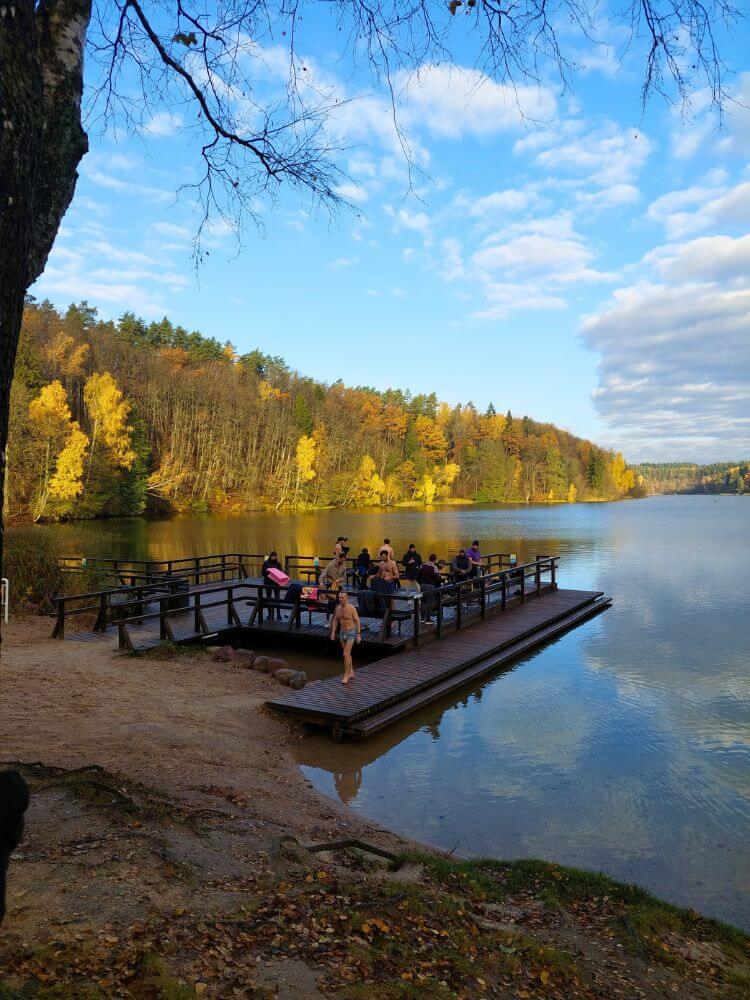
But every year is different. Some summers are very hot. Some are cold and rainy. Spring can be beautiful, but it can also be changeable, so it’s worth packing layers.
Winter can be cosy if you like Christmas lights, snow and slower travel. Just remember that it can also be cold, dark and slippery, so your plan needs to be more flexible.
Read more: Vilnius through the seasons: when to go and why
What should you pack for Vilnius?
Pack for walking and changing weather.
Comfortable shoes are more important than people think, because Vilnius has cobblestones, hills and streets that can feel tiring after a full day out.
I’d also bring layers, especially outside summer. A light rain jacket or umbrella is useful too, because the weather can change quickly.
In winter, think warm shoes, a proper coat and clothes you can layer. In summer, don’t assume it will always be hot just because it’s July.
Common first-time mistakes in Vilnius
Most first-time mistakes in Vilnius are not dramatic.
They won’t ruin your trip. They just make the city feel less smooth than it actually is.
Planning too little time for Vilnius
The biggest mistake is giving Vilnius too little time and only seeing it on the surface.
Yes, you can walk around the Old Town and see the top places quickly. But if that’s all you do, you might leave thinking Vilnius is smaller or simpler than it really is.
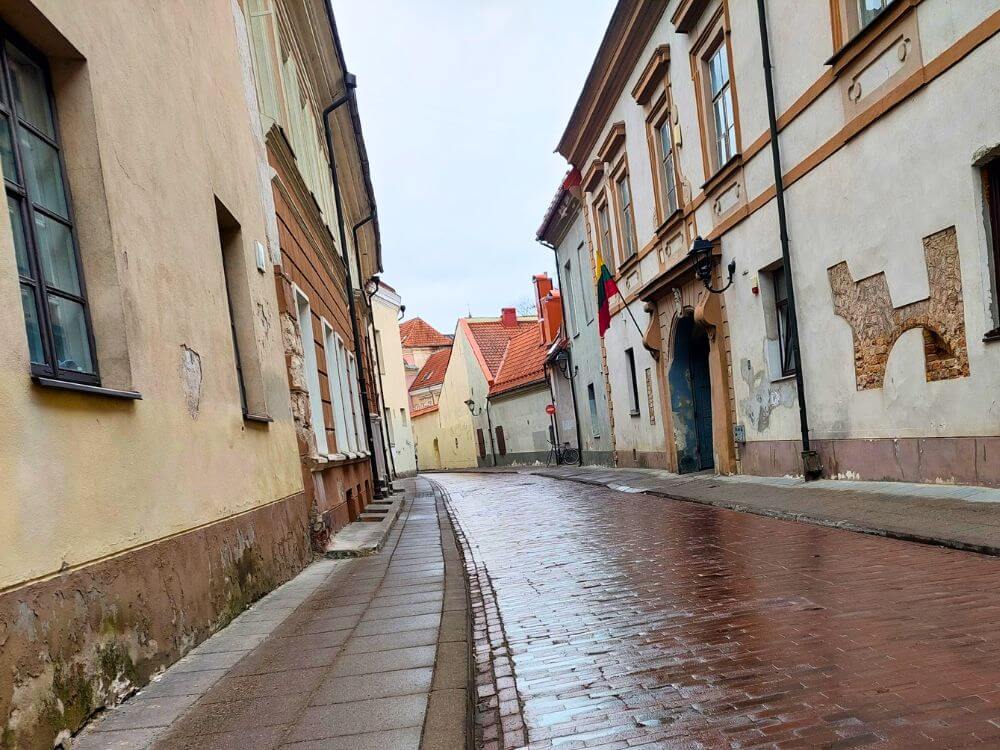
If you have the time, stay longer than one rushed day. Add a museum, a neighbourhood outside the Old Town, a slow lunch, a viewpoint or a day trip.
Vilnius is better when you don’t treat it like a checklist.
Staying too far from the places you’ll use most
Accommodation can change how easy the whole trip feels.
If you stay far away just to save a little money, check the transport connection before booking. A cheaper place can still be a good choice, but only if getting around is simple.
Look at how long it takes to reach the Old Town, the train station, the airport route or anything you already know you’ll need.
Forgetting to check opening times
This matters for museums, small attractions, restaurants and seasonal places.
Some places may close on certain days or have shorter hours in different seasons. I wouldn’t plan a whole day around one place without checking first.
Use Google Maps as a starting point, but for important stops, check the official website too.
Ignoring cobblestones, hills and weather
Vilnius is walkable, but it’s not always smooth.
Cobblestones can be annoying with bad shoes, heavy luggage or a stroller. Hills can surprise you if you planned a route only by looking at the map.
Weather also changes the mood of the day quickly. A route that feels lovely in dry weather can feel much less fun in cold rain.
Not leaving time to wander
This is the nice mistake.
Vilnius has courtyards, side streets, cafés and small details that are easy to miss if every hour is planned. Leave some space to walk without a goal.
Not everything has to be a “top attraction” to be worth your time.

Final notes on your first time in Vilnius
Your first time in Vilnius will feel much easier if you sort out the basics before you arrive. Choose a place to stay that makes sense for your plans, give yourself enough time and don’t try to squeeze the whole city into one rushed day.
Once those decisions are sorted, the rest can stay flexible. Walk when the distance is short, use public transport when it saves time or energy and leave a bit of room for slow wandering.
Vilnius is not a city you need to “complete” in one trip. It works better when you give it space, notice the smaller details and let some parts of the day happen naturally.
The free mini guide below is made for first-time visitors who want the main Vilnius basics, key places and easy food ideas in one simple place.
